
How to Read a Court Judgment Step by Step: Facts, Reasons and Decision
A judgment becomes easier to understand when you separate the legal issue, relevant facts, the court's reasoning and the final decision.
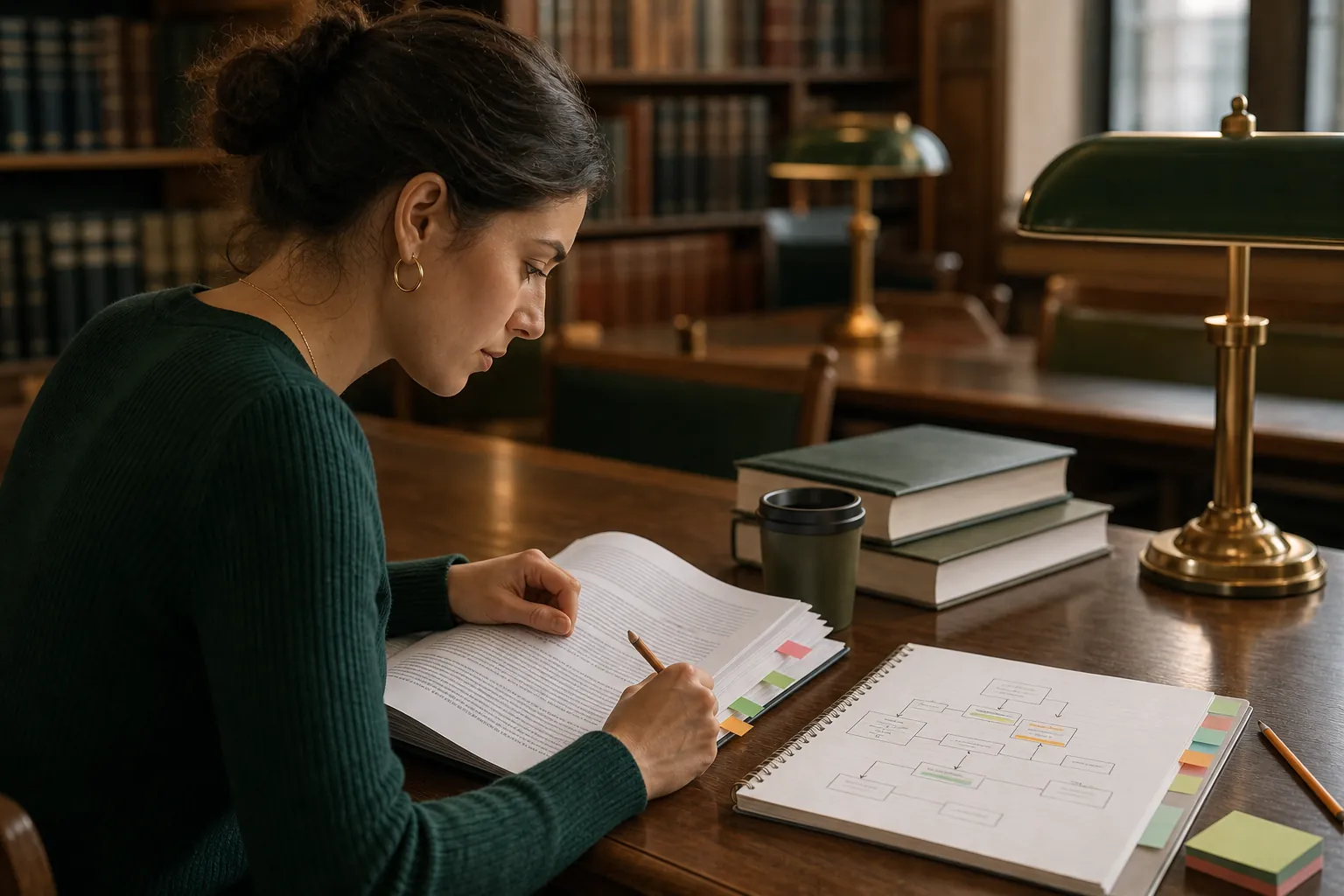
The first judgment you read can look like a wall of dates, names, submissions and citations. The common mistake is to move from beginning to end trying to remember everything. Effective legal reading works better in layers: first locate the decision, then reconstruct the path that leads to it.
The format varies by court and jurisdiction, but the essential questions are often similar: what happened, what is disputed, which rules apply, how does the court reason and what does it decide?
Start by identifying the case
Note the court, date, type of decision and the parties or their procedural roles. Then read the operative part or conclusion to understand the overall outcome. This first look does not replace analysis; it gives you a map for understanding why each section matters.
Express the main legal issue in a single sentence. Avoid simply copying the case title. A useful question should be capable of being answered by the judgment's reasoning.
Separate relevant facts from procedural history
Not every fact in the narrative affects the outcome. Mark the facts the court later relies upon and distinguish each party's submissions from facts the judgment treats as established.
Also summarise what happened before the case reached this court: what was requested, what the previous court decided and why an appeal was brought. This prevents confusion between the decision under review and the final answer.
Reconstruct the reasoning
In the legal reasons, identify the rules, authorities or principles being used. For each one, ask what role it plays: defining a rule, introducing an exception, interpreting a concept or applying the rule to the facts.
Look for the bridge between rule and result. That application is often the most valuable part for a practical problem because it shows which facts the court considers decisive and how competing arguments are resolved.
Create a case brief you can reuse
Finish with a short brief: citation, key facts, legal issue, applicable rule, reasoning, decision and one critical observation. Add keywords so you can retrieve the judgment when studying a related topic.
AI can help produce an initial structure or suggest questions about the text, but always compare the summary with the original judgment. An omitted sentence, a dissenting opinion or a procedural difference may change the authority's usefulness.