
How to Write a Cease and Desist Letter
A cease and desist letter identifies conduct, asks for it to stop and creates a record of the complaint without being a court order by itself.
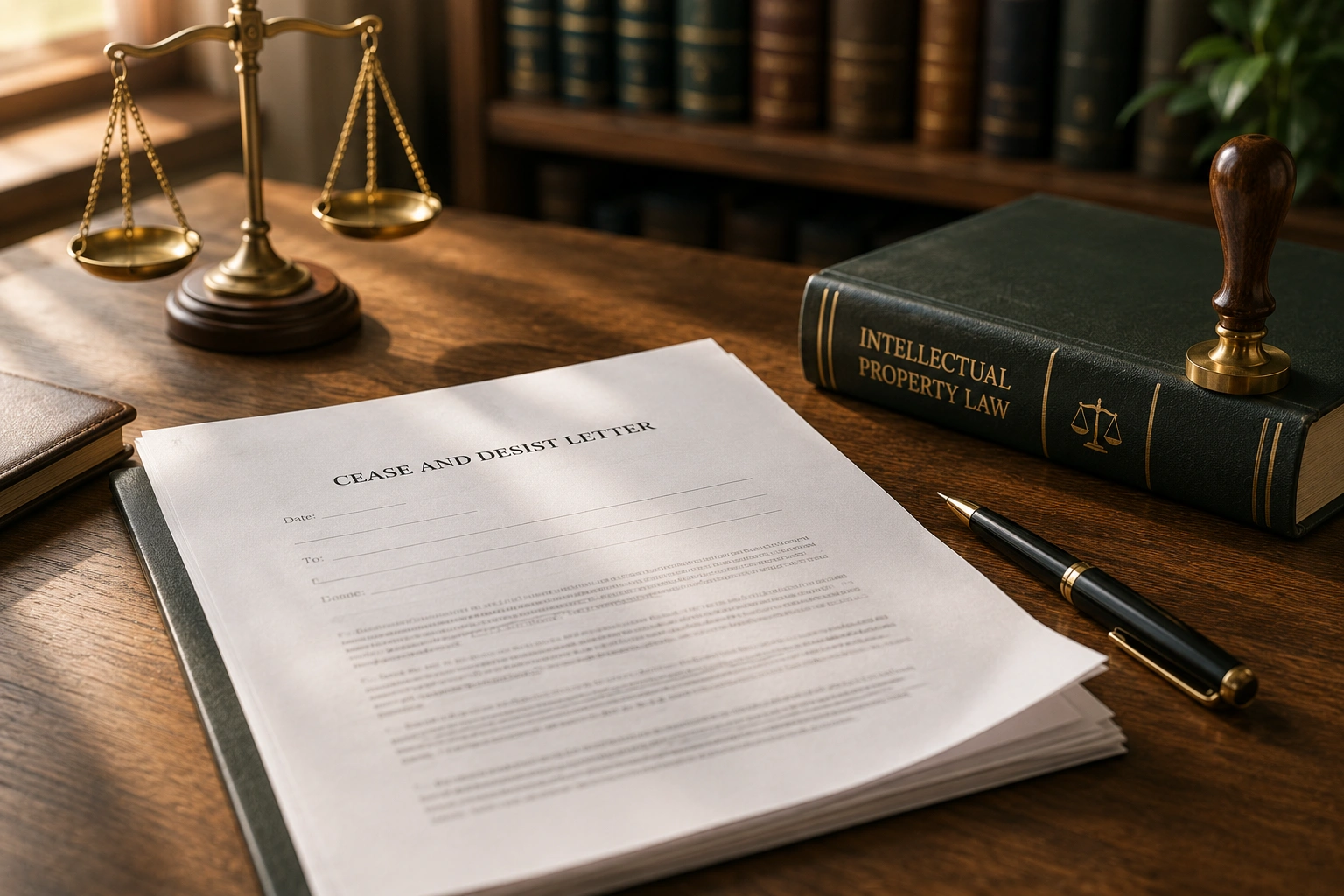
A cease and desist letter is a formal request for a person or business to stop specific conduct. Depending on the jurisdiction and facts, it may be used for unauthorised use of intellectual property, harassment, repeated contact, confidentiality breaches or publication of content. It is usually not a court order, and receiving one does not automatically mean the sender is right.
Before drafting, identify the applicable law and the result you actually want. You may need the conduct to stop, material to be removed, evidence to be preserved or a discussion to begin. An unnecessarily aggressive letter can escalate the dispute or make claims that are difficult to support later.
Gather verifiable facts and evidence
Build a chronology with dates, messages, publications, agreements, screenshots and earlier warnings. Separate what you can prove from what you suspect. Describe the conduct precisely and avoid unnecessary accusations, disproportionate threats or unverified allegations of criminal behaviour.
Structure a clear request
Identify the parties, summarise the relevant facts, explain the right or interest affected and state exactly what must stop or change. If you set a deadline, make it reasonable for the urgency and context. Give the recipient a way to respond and reserve your rights without promising action you may not take.
Check tone, delivery and consequences
Use professional language and keep an exact copy with every attachment. The delivery method may matter when proving receipt, but rules differ by jurisdiction. Think carefully before publishing the letter or personal information, as confidentiality, privacy and defamation issues may arise.
Prepare a first draft while keeping control
Legal Assistant AI can organise your chronology, summarise supporting documents, identify missing information and help produce a first outline. You can also ask it to turn an emotional draft into a clearer, more neutral communication. Always verify legal references and avoid sharing sensitive information that is not needed.
Ask a lawyer to review the letter before sending it when significant money, intellectual property, threats, harassment, possible defamation, existing proceedings or a difficult choice of law is involved. A lawyer can assess both the legal basis and the strategic consequences of sending it.