
How to respond to a request for documents: a practical checklist
Use a practical checklist to organise a response to a document request and check the submission channel.
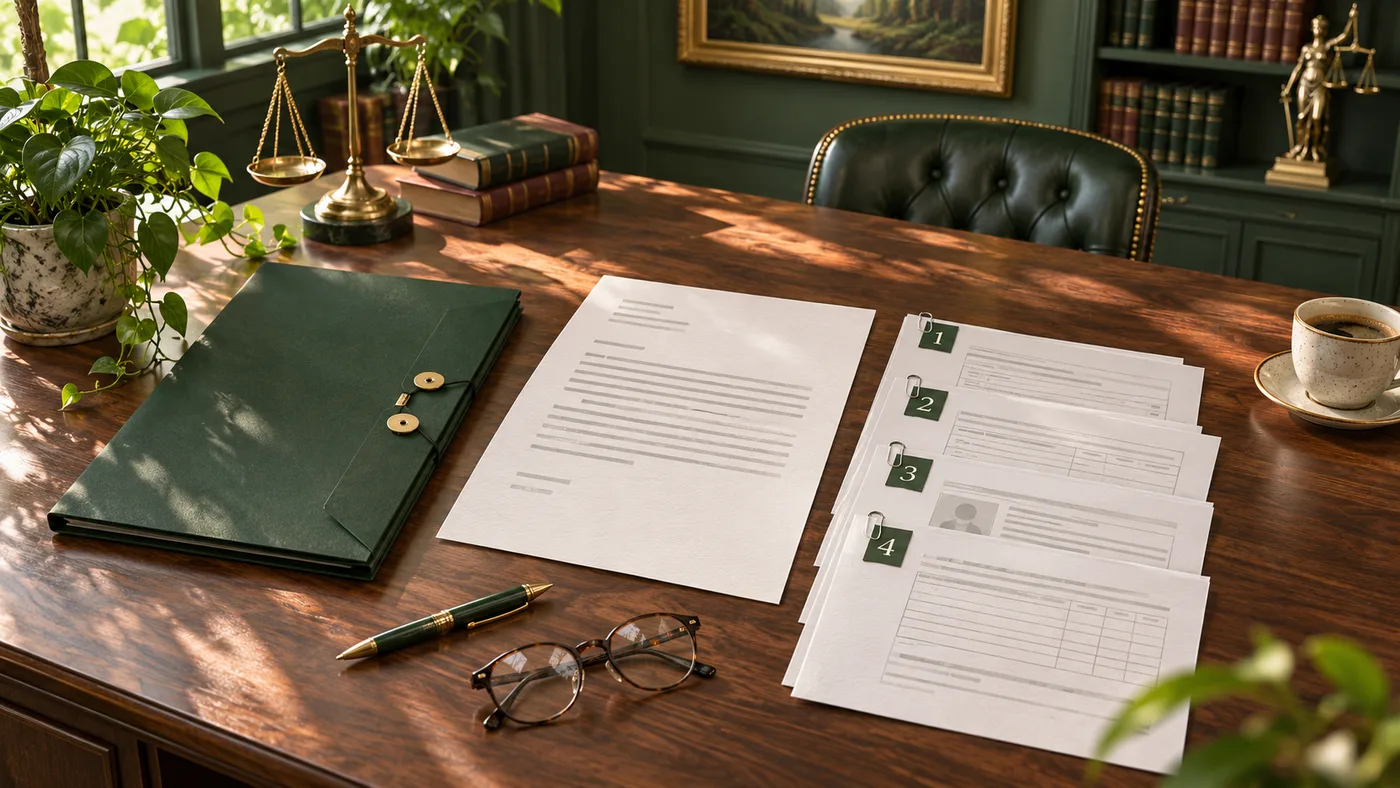
A request for documents can leave you unsure what to send and where. This guide helps organise a response; it does not determine duties or deadlines, which depend on the authority, jurisdiction and procedure. For a court request, official notice or urgent matter, seek professional help promptly.
Read the whole request
Check who is asking, the case reference, the documents and periods requested, the specified channel and any date or deadline. Verify the sender independently through an official contact. Do not apply a generic deadline rule: confirm when notice was given and how time is counted in your procedure.
Map each request to a response
Copy this worksheet: specific request | document or explanation | period | file name and pages | status | open question. Fictional example: “evidence for requested period | relevant statement | period to confirm | attachment 1 | checking | one page missing”. Open each file and check it is complete, readable and matches the request.
Use the right channel and keep proof
Check the instructions before sending: an email notification may not be an accepted filing channel. If something is missing or unclear, contact the authority or your lawyer promptly and keep a record; do not assume that asking extends the deadline. Retain the request, an exact copy of your submission and its receipt.
Protect data and check the result
Share necessary information through an appropriate channel; do not obscure required material without advice. Never send passwords. Legal Assistant AI can analyse documents and answer questions: use an authorised copy, request a checklist and compare every point with the original. AI does not file documents or confirm receipt by the authority.